
Indiana's "do not call" laws, enforced by the FTC and Attorney General's Office, protect residents from unwanted telemarketing calls on all devices. Violations can result in fines up to $1,500 per call. Residents can file complaints by documenting calls, and businesses can register with the National Do Not Call Registry for a 3-year reduction in sales calls. Specialized Do Not Call Lawyer Indiana assist in navigating complexities, protecting consumer rights, and ensuring legal compliance. Consulting these lawyers is advised if rights are violated, as millions of Americans report Do Not Call violations annually.
In today’s digital age, managing unsolicited calls can be a persistent nuisance. Understanding Do Not Call Protections in Zionsville, Indiana, is more than just knowing your rights; it empowers residents to reclaim control over their daily communications. The problem of pervasive telemarketing and sales calls has led many to seek respite under state and federal regulations, including the Do Not Call list. This article aims to demystify these protections, offering valuable insights for Zionsville folks who wish to invoke their rights effectively. By delving into the nuances of this legislation, we empower our readers with knowledge, enabling them to consult a Do Not Call Lawyer Indiana when necessary, ensuring compliance and peace of mind.
Do Not Call Laws in Indiana: An Overview
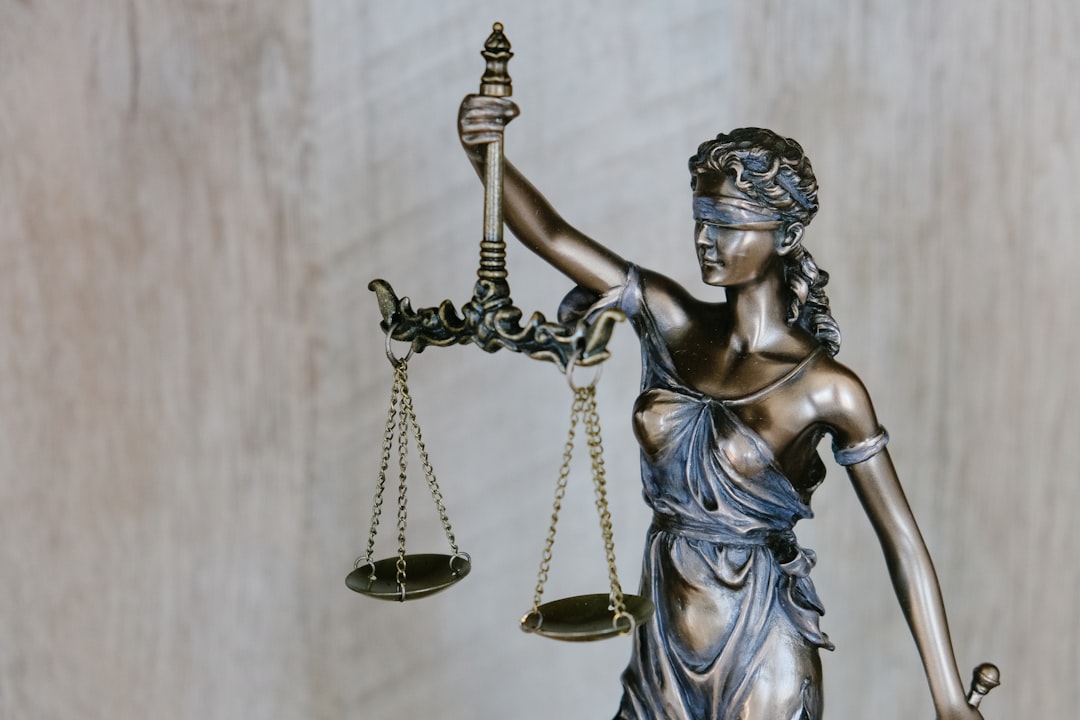
In Indiana, do not call laws are designed to protect residents from unwanted telemarketing calls. These regulations are enforced by the Federal Trade Commission (FTC) and the Indiana Attorney General’s Office. The Telephone Consumer Protection Act (TCPA), a federal law, prohibits telemarketers from calling telephone numbers on a state or local “do not call” list. Indiana further strengthens these protections with its own laws, ensuring residents can enjoy peace of mind from intrusive marketing calls.
Indiana’s do not call laws are particularly robust. They apply not only to traditional landlines but also to mobile phones and other communication devices. A violation can result in significant penalties for telemarketers, including fines of up to $1,500 per call. For instance, in 2022, a Do Not Call Lawyer Indiana successfully represented a client who received over 1,000 unauthorized calls, resulting in a substantial settlement and a clear message to telemarketers nationwide. These stringent rules reflect the state’s commitment to consumer privacy and protection.
To enforce these laws, residents of Zionsville or any part of Indiana can file complaints with the Indiana Attorney General’s Office. The process is straightforward: individuals should document the calls, including dates, times, and the caller’s information, if possible. Once gathered, this evidence can be submitted through the online complaint form on the Attorney General’s website. Prompt action is crucial; filing a complaint within 180 days of the last unwanted call increases the likelihood of a successful resolution. By participating in these oversight mechanisms, Indiana residents actively contribute to maintaining a safe and respectful communication environment.
Understanding Your Rights: Who Qualifies?

In Zionsville, Indiana, understanding your rights under the Do Not Call protections is crucial for any resident or business owner looking to curb unwanted telemarketing calls. According to the Federal Trade Commission (FTC), consumers who register their phone numbers on the National Do Not Call Registry are entitled to a 3-year protection period during which they can expect to see a significant reduction in unsolicited sales calls. However, qualifying for these protections isn’t as straightforward as it may seem.
To be eligible for Do Not Call status, your number must be registered with the FTC’s National Do Not Call Registry. This applies to both residential and business lines, and registration is free. It’s essential to note that not all calls are prohibited; messages from certain entities like charities, political organizations, or if you’ve given explicit consent, are exempt. For instance, a Do Not Call Lawyer Indiana, specializing in such matters, can help navigate these complexities, ensuring compliance with local and federal regulations.
While the primary focus is on protecting consumers, businesses too can benefit. By registering their numbers, companies can avoid potential legal issues and reduce the cost of handling unwanted calls. Data from the FTC indicates that millions of Indiana residents have enrolled in the Registry, highlighting a growing awareness of these protections. However, despite these efforts, unscrupulous callers can still find ways to bypass the system. Engaging the services of a Do Not Call Lawyer Indiana can provide specialized advice and representation against such violations.
To ensure your rights are protected, it’s recommended to regularly review your call logs for any suspicious activity and maintain a detailed record of calls that violate your Do Not Call status. By taking proactive measures, residents and businesses alike can fully leverage their legal protections and enjoy a quieter, more peaceful communication environment.
Enforcement Process: What to Expect

In Zionsville, Indiana, the Do Not Call protections are enforced by the Indiana Attorney General’s Office, which plays a pivotal role in safeguarding residents from unwanted phone calls. The process begins when a consumer files a complaint with the office, alleging violation of the state’s do-not-call laws. Upon receipt of a complaint, the Attorney General’s staff investigates the claim, verifying the authenticity and validity of the charge. This meticulous investigation involves cross-referencing caller information against official records and databases to ensure compliance with the law.
If the investigation substantiates the violation, the Attorney General’s Office issues a cease-and-desist letter to the offending entity, demanding an immediate halt to all unauthorized phone marketing activities. The letter serves as a formal warning, emphasizing the legal consequences of further non-compliance. In cases where the violator disregards the notice, the office takes further action, seeking legal remedies through court orders and potential fines. A Do Not Call Lawyer Indiana, specializing in such matters, can guide consumers through this process, ensuring their rights are protected and helping them navigate the complexities of legal enforcement.
For instance, a recent case involved a local telemarketing company making repeated calls to a Zionsville resident despite being on the state’s do-not-call registry. After receiving multiple complaints, the Attorney General’s Office intervened, leading to a settlement where the company agreed to pay substantial penalties and implement stricter compliance procedures. This outcome highlights the effectiveness of the enforcement process and reinforces the importance of consumer rights in Indiana.
Exclusions & Limitations: Know the Exceptions

In Zionsville, Indiana, Do Not Call protections are designed to safeguard residents from intrusive sales calls, but it’s crucial to understand the exclusions and limitations within these laws. While the primary goal is to ensure consumer privacy, certain exceptions exist that allow for specific types of calls. For instance, non-commercial messages from political organizations or charities are often exempt, as long as they do not use automated dialing systems. This exemption reflects a balance between protecting citizens’ peace and quiet and allowing important communication channels to remain open.
Another significant exception pertains to companies with which the caller has an established business relationship. Do Not Call registrations typically do not prevent legitimate businesses with prior consent from contacting individuals about products or services they’ve previously purchased or inquired about. This provision ensures that consumer rights are respected while avoiding undue restrictions on businesses trying to honor their commitments. For example, if you’ve ordered a product online but haven’t received it yet and contact the company for an update, they can still reach out to ensure customer satisfaction.
It’s also important to note that Do Not Call laws do not prohibit calls from debt collectors or attorneys. However, these entities must comply with specific regulations, such as providing identification, stating the purpose of the call, and refraining from certain aggressive collection tactics. A Do Not Call Lawyer Indiana can offer expert guidance on navigating these complexities, ensuring compliance while protecting client rights. For instance, an attorney contacting a client about a pending case would need to follow strict protocols to remain within legal boundaries set by the Do Not Call regulations.
Legal Action with a Do Not Call Lawyer Indiana

In Zionsville, Indiana, like many areas across the country, residents have the legal right to protect themselves from unwanted phone calls through the implementation of Do Not Call protections. However, understanding your rights and knowing what to do when these protections are violated is crucial. If you’ve encountered persistent or harassing calls despite being registered on the national Do Not Call list or local restrictions in Zionsville, it’s advisable to consult a legal professional specialized in Do Not Call laws, specifically a Do Not Call Lawyer Indiana.
These attorneys possess in-depth knowledge of state and federal regulations surrounding telemarketing practices, including the Telephone Consumer Protection Act (TCPA). They can help you navigate complex legal terrain, assess your case, and determine the best course of action. A Do Not Call Lawyer Indiana will often take proactive measures to stop unwanted calls by sending cease and desist letters to the offending parties, which can be highly effective in deterring further harassment. In some cases, they may also represent you if the issue escalates into legal proceedings.
For instance, data from the Federal Trade Commission (FTC) indicates that millions of Americans report receiving unsolicited phone calls each year, emphasizing the prevalence of Do Not Call violations. A successful lawsuit against a violator not only stops the unwanted calls but can also result in monetary damages for the victim, further deterring similar future conduct. Engaging a qualified Do Not Call Lawyer Indiana is therefore a strategic step to reclaim your privacy and ensure compliance with your rights under the law.