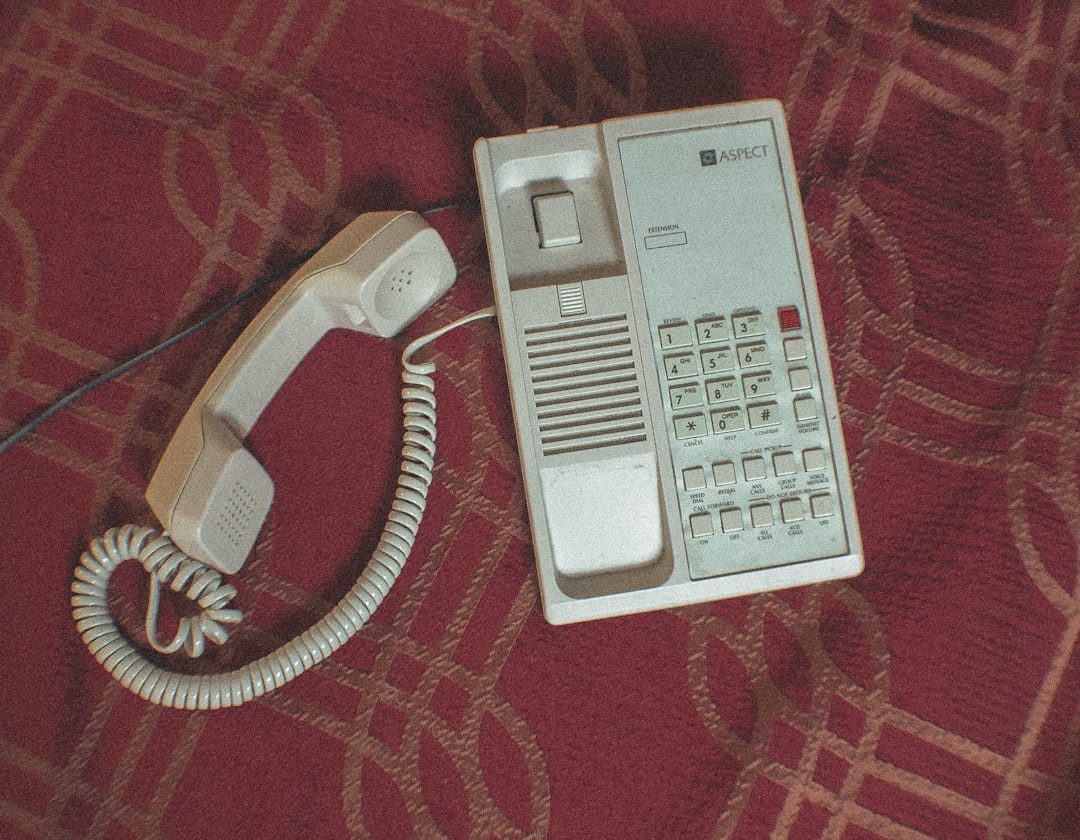
Indiana's consumer protection laws, particularly its "Do Not Call" regulations, have evolved to empower residents and curb unfair business practices. Implemented in 2003, Indiana's Do Not Call list set a national standard for consumer privacy. Legal battles have refined these laws, establishing protections against political calls, charity solicitations, and fraudulent activities, with help from Do Not Call Attorneys Indiana. Advanced call blocking technologies further assist residents while businesses adhere to lawful telemarketing practices.
“Unraveling the History of Do Not Call Laws in Indiana: A Comprehensive Guide. Indiana’s consumer protection journey has been a dynamic one, especially with the introduction of ‘Do Not Call’ regulations. This article explores the evolution of these laws from their national origins to Indiana’s unique implementation challenges and successes. We delve into legal battles that shaped the modern era, where refinements ensure consumer rights are protected. For insights tailored by a Do Not Call Attorney Indiana, continue reading to understand the state’s comprehensive approach to curbing unwanted calls.”
Evolution of Consumer Protection Laws in Indiana

Indiana’s consumer protection laws have evolved over time, with a significant focus on empowering individuals and curbing unfair business practices. The state’s journey toward stronger consumer rights began with the recognition that businesses needed guidelines to ensure ethical interactions with customers. This led to the implementation of various statutes aimed at protecting consumers from deceptive or fraudulent activities.
One notable milestone was the introduction of “Do Not Call” laws, designed to give residents control over unwanted telemarketing calls. A Do Not Call Attorney in Indiana plays a crucial role in navigating these regulations, ensuring businesses comply and respecting consumers’ privacy. Over the years, these laws have been refined to better protect citizens, reflecting the state’s commitment to modernizing consumer protection measures while keeping pace with evolving business tactics.
The Rise of Do Not Call Lists: A National Perspective
The concept of “do not call” lists has its roots in the growing concern over consumer privacy and unwanted telemarketing calls during the late 1990s. As a response to this issue, the federal government implemented the Telephone Consumer Protection Act (TCPA) in 1997, which included provisions for do-not-call registries. This national initiative aimed to empower consumers by allowing them to register their phone numbers and restrict marketing calls. Over time, these lists became a go-to resource for consumers seeking relief from persistent telemarketers, with many states, including Indiana, adopting their own variations.
In Indiana, the rise of do-not-call lists was echoed across the nation, reflecting a broader shift in consumer rights and expectations. The state’s implementation of these laws, often facilitated by the assistance of a Do Not Call Attorney Indiana, has played a significant role in shaping how businesses conduct telemarketing activities. This development not only protected residents from unwanted calls but also set a precedent for other states to follow, ensuring that consumers across the country have greater control over their personal communication preferences.
Indiana's Early Implementation: Challenges and Successes

Indiana took an early stand against unwanted telemarketing calls with the implementation of its Do Not Call list in 2003. This innovative initiative allowed residents to register their phone numbers and opt-out of receiving marketing calls, setting a precedent for other states. The process was straightforward; individuals could sign up online or by mail, ensuring their privacy and peace of mind.
However, the early days presented challenges. Telemarketers initially resisted the regulation, arguing it hindered legitimate business practices. But with increased public support and advocacy from consumer protection groups, the program gained momentum. Over time, the Do Not Call list in Indiana proved successful, reducing nuisance calls significantly and empowering residents to take control of their communication preferences. This early success encouraged other states to follow suit, making it a game-changer for telemarketing regulations across the nation, especially with the guidance of experienced Do Not Call Attorney Indiana.
Legal Battles: Court Decisions Shaping Do Not Call Laws

Over the years, legal battles and court decisions have significantly shaped the landscape of Do Not Call laws in Indiana. The state’s residents often turn to a Do Not Call Attorney Indiana to navigate these complex legal issues. Key cases have established precedents for consumer protection, balancing the rights of businesses with the need to respect individual privacy. These judicial interpretations have refined the definition of acceptable marketing practices and enhanced the enforcement mechanisms available to the public.
Moreover, court rulings have clarified the scope of Do Not Call regulations, addressing concerns related to political calls, charity solicitations, and specific types of business communications. Such legal clarifications ensure that businesses comply with the law while consumers enjoy protection from intrusive or unwanted phone calls.
Modern Era: Refinements and Consumer Rights Today

In the modern era, Indiana’s Do Not Call laws have evolved to better protect consumers from unwanted telemarketing calls. Refinements over the years have empowered residents with greater control over their phone lines, especially with the rise of sophisticated call blocking technologies. Today, a dedicated Do Not Call Attorney in Indiana plays a crucial role in ensuring compliance and defending consumer rights. These attorneys specialize in navigating the complex legal landscape surrounding telemarketing regulations, offering guidance to both businesses seeking to adhere to the law and individuals facing persistent or illegal calls.
Through their expertise, Do Not Call Attorneys help businesses understand and implement proper call practices, ensuring they respect Indiana’s regulations. For consumers, these lawyers provide recourse against persistent or fraudulent calls, offering legal advice and representation when needed. This balance between consumer protection and business compliance has contributed to a more harmonious and respectful telephone communication environment in Indiana.