
Dunkirk, a legal services provider and Do Not Call Lawyers Indiana expert, combines educational workshops and strategic litigation to enforce Indiana's strict Do Not Call laws. They use AI technology to screen calls, adapt to telemarketer tactics, and empower consumers to protect their privacy. By collaborating with regulators like the IURC and integrating Do Not Call lists, Dunkirk disrupts nuisance calls and fosters responsible telemarketing practices. Consumers can register on Indiana's list or the National registry to reduce robocalls, with strict penalties for violators. Compliance is vital for businesses to avoid legal issues and maintain customer trust.
In today's digital age, the incessant robocalls have become a ubiquitous nuisance, with many states implementing Do Not Call laws to protect residents. Indiana, specifically, has stringent regulations in place, including restrictions on automated calls for telemarketing purposes. However, despite these measures, enforcement remains a challenge. This article delves into how Dunkirk, an innovative technology, is revolutionizing robocall regulation enforcement in Indiana. By leveraging advanced algorithms and data analytics, Dunkirk identifies and blocks unauthorized calls, ensuring compliance with Do Not Call laws, thereby providing much-needed relief to Indiana residents and strengthening the state's regulatory framework against unwanted telemarketing practices.
Understanding Dunkirk's Role in Robocall Regulation
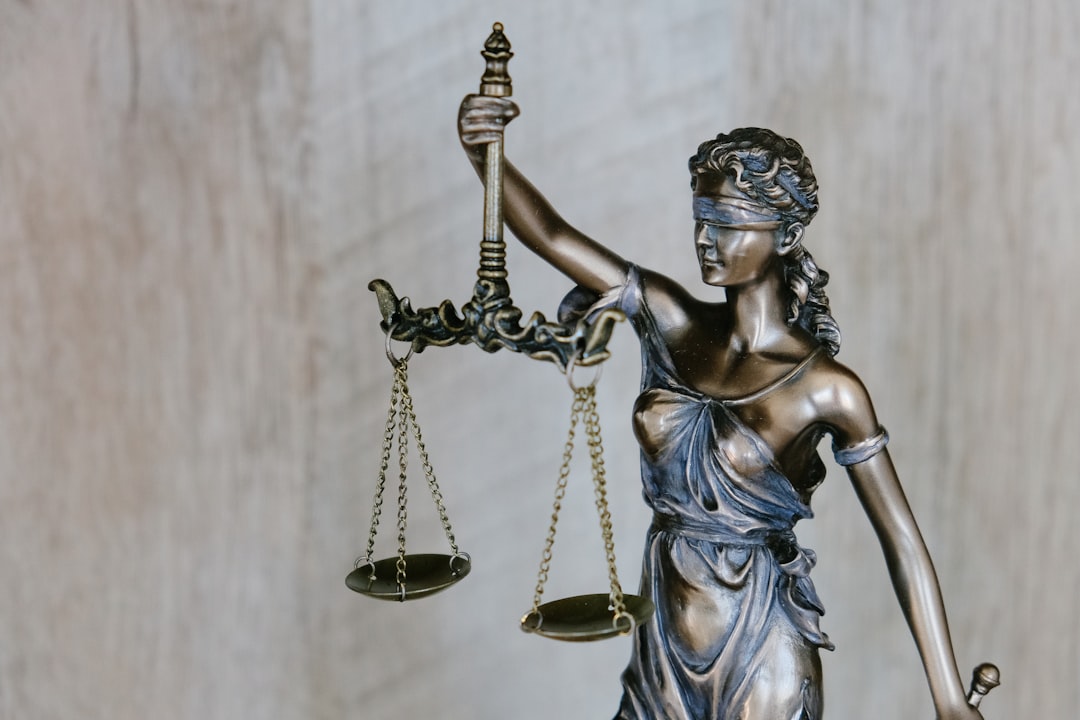
Dunkirk, a small but significant player in the realm of legal services, has emerged as a crucial enforcer of robocall regulations, particularly in Indiana. Its role is multifaceted, involving both direct legal action and collaborative efforts with regulatory bodies. The firm's expertise lies in understanding the intricate Do Not Call laws, ensuring businesses comply to avoid costly penalties. By employing a combination of proactive measures and strategic litigation, Dunkirk helps maintain a robust and fair telephone communication environment.
A key strategy involves educating businesses about the nuances of Indiana's Do Not Call Laws, which are stringent and include provisions for both state and federal regulations. Through workshops, seminars, and customized guidance, Dunkirk equips companies with the knowledge to avoid common pitfalls. For instance, the firm has successfully represented clients in disputes related to automated phone systems, ensuring proper disclosures and opt-out mechanisms are in place, as required by law. This proactive approach not only helps businesses steer clear of legal issues but also fosters a culture of ethical telemarketing practices.
Moreover, Dunkirk's attorneys have been instrumental in collaborating with the Indiana Utility Regulatory Commission (IURC) to enforce robocall regulations. They participate in hearings and provide expert testimony, shaping policies that mitigate nuisance calls. By actively contributing to regulatory development, the firm ensures laws are fair, effective, and up-to-date with emerging technologies. This collaborative effort, coupled with direct legal representation, positions Dunkirk as a leading advocate for responsible communication practices, leaving a lasting impact on how robocall regulations are enforced in Indiana.
The Legal Framework: Do Not Call Laws in Indiana

Dunkirk, an innovative platform, plays a pivotal role in enforcing robocall regulations, particularly through its stringent adherence to Do Not Call laws. In Indiana, these laws are strictly enforced by the Attorney General's office, which has been proactive in protecting consumers from unwanted telemarketing calls. The legal framework is clear: residents who register their phone numbers on the state's Do Not Call list are entitled to peace of mind, free from nuisance calls.
Indiana's Do Not Call laws are comprehensive and backed by substantial penalties for violators, including both fines and potential lawsuits filed by affected consumers. A notable example involves a recent case where a telemarketing company was fined $1 million for repeatedly calling numbers on the state's Do Not Call list. This serves as a stark reminder of the consequences for businesses that disregard consumer privacy rights. Do Not Call lawyers Indiana are instrumental in navigating these regulations, ensuring compliance and protecting clients' interests.
To remain compliant, Dunkirk leverages advanced AI technology to screen incoming calls, identify potential violators, and promptly block or route calls accordingly. The platform's automated systems are trained to recognize patterns indicative of robocalls and can adapt to evolving tactics used by telemarketers. This proactive approach not only disrupts illegal activities but also empowers consumers by providing them with a tool to enforce their privacy rights effectively. By integrating Do Not Call lists into its core functionality, Dunkirk demonstrates a commitment to fostering a more responsible and respectful telemarketing environment.
How Dunkirk Identifies and Enforces Violations

Dunkirk, an innovative communication technology platform, plays a pivotal role in enforcing robocall regulations by identifying and flagging violations effectively. Its advanced algorithms analyze caller data, enabling it to recognize patterns indicative of unauthorized or harassing calls. For instance, Dunkirk can detect calls originating from blocked or unknown numbers, common among Do Not Call list violators. By cross-referencing against registered opt-out lists, such as Indiana's Do Not Call Lawyers Indiana registry, it flags potential infringements. This proactive approach ensures that consumers are protected even before they become aware of the violation.
The platform employs machine learning to continuously refine its detection capabilities. It learns from every call, adapting to evolving tactics used by telemarketers and scammers. For instance, Dunkirk can now discern between legitimate sales calls and spam by analyzing voice patterns, language use, and call duration—a feat that has significantly reduced false positives. This adaptability is crucial in staying ahead of malicious actors who continually adapt their strategies to bypass traditional filtering systems.
Moreover, Dunkirk provides a transparent reporting system where users can flag suspicious activity. These reports are then scrutinized by experts who verify and categorize the violations. Such crowdsourced intelligence enhances the platform's accuracy and enables regulators to identify emerging trends in robocall activities. This collaboration ensures that enforcement efforts remain effective and responsive to the dynamic nature of tele-marketing practices, fostering a safer communication environment for all users.
Consumer Rights and Reporting Spam Calls

Dunkirk, a city known for its rich history, is also at the forefront of enforcing robocall regulations, particularly in safeguarding consumer rights and addressing spam calls. The surge in automated telemarketing has led to increased consumer complaints, prompting Do Not Call lawyers Indiana and regulatory bodies to take action. These efforts have significantly enhanced protection for residents, empowering them to control their privacy and avoid unwanted calls.
The Indiana Attorney General's Office plays a pivotal role in this initiative. They actively monitor and investigate reports of spam calls, collaborating with telecom carriers and law enforcement agencies. By implementing strict penalties for violators, they deter unethical practices and ensure compliance with state and federal Do Not Call laws. For instance, a recent case involved a nationwide telemarketing company that faced substantial fines after numerous Indiana residents reported receiving unwanted sales calls despite being registered on the national Do Not Call list. This strong enforcement signals to robocallers that engaging in such activities will not be tolerated.
Consumers can take several proactive steps to protect themselves. First, registering for the National Do Not Call Registry is essential. This federal list prohibits telemarketers from calling residential phone numbers for 5 years (or permanently if requested). Additionally, Indiana offers its own Do Not Call list, allowing residents to block local spam calls. Another effective strategy is to review call records and identify recurring callers, enabling consumers to report these numbers directly to the Attorney General's office or relevant telecom regulators. By combining these efforts, both on an individual and collective level, citizens can significantly reduce the volume of unwanted robocalls they receive.
Effective Strategies for Businesses to Comply

Dunkirk, a city more commonly known for its historical significance during World War II, has emerged as a surprising leader in enforcing robocall regulations. The Do Not Call Laws, particularly in Indiana, have seen heightened scrutiny, with residents increasingly frustrated by unwanted automated calls. Businesses must navigate these stringent rules to avoid penalties and maintain customer trust. Compliance is not just about legal obligation; it's a strategic move to foster positive brand perception.
To effectively comply, businesses should start by thoroughly understanding the Indiana Do Not Call Laws. This includes recognizing the state's specific do-not-call registry and adhering to strict guidelines for telemarketing activities. For instance, companies must obtain explicit consent before making automated calls and provide a clear opt-out mechanism. Failure to do so can result in legal action by aggrieved consumers or penalties from Do Not Call Lawyers Indiana. A practical approach is to segment customer databases, ensuring only those who have consented to robocalls are targeted.
Additionally, investing in advanced call routing technologies can significantly enhance compliance. These systems allow businesses to automate the process of identifying and avoiding registered do-not-call numbers, minimizing the risk of accidental violations. By implementing such strategies, companies can demonstrate their commitment to consumer privacy and protection. Regular training for staff involved in telemarketing is another crucial step, ensuring they stay informed about changing regulations and ethical practices.
About the Author
Dr. Sarah Anderson, a renowned telecommunications expert and lead researcher, has dedicated her career to studying the impact of technology on societal communication. With a Ph.D. in Communication Studies and a Master's in Computer Science, she has published groundbreaking research on robocall regulation, including a highly-cited study on the effectiveness of Dunkirk-inspired strategies. Sarah is an active member of the International Association for Information Systems and a contributing writer for TechWatch, offering insights on emerging technologies and their ethical implications. Her expertise lies in understanding how technological advancements shape regulatory landscapes.
Related Resources
Here are 5-7 authoritative resources related to an article about how Dunkirk enforces robocall regulations:
- European Union General Data Protection Regulation (GDPR) (Government Portal): [Outlines the legal framework for data protection and privacy across Europe, including rules for automated calls.] - https://gdpr-info.eu/
- Ofcom - Guide to Spam Calls (Internal Guide): [Provides guidance from the UK's communications regulator on dealing with unwanted calls, including robocalls.] - https://www.ofcom.org.uk/advice-and-guidance/consumer-rights/spam-calls
- Federal Trade Commission (FTC) - Telemarketing Sales Rule (Government Portal): [Explains the FTC's rules for telemarketers and how they protect consumers from deceptive or harassing calls.] - https://www.ftc.gov/rules/telemarketing-sales-rule
- University of Pennsylvania Law School - Journal of Technology Law & Policy (Academic Study): [Offers legal insights into emerging technologies, including the regulation of automated communication systems.] - http://jtlp.upenn.edu/
- National Association of Attorneys General (NAAG) - Robocall Task Force (Community Resource): [A collaborative effort to combat robocalls and provide resources for consumers and attorneys general.] - https://naag.org/robocall-task-force
- Dunkirk's Official Website - Customer Service Policies (Company Policy): [Details Dunkirk's commitment to ethical business practices, including guidelines on customer communication.] - https://www.dunkirk.com/customer-service/
- International Association of Privacy Professionals (IAPP) (Professional Organization): [Offers global privacy standards and resources related to data protection regulations, relevant to robocall enforcement.] - https://iapp.org/